Table of Contents
The Spectrum of Student Experience
When I first proposed creating an AI exploration space in my classroom, the student responses revealed a wide spectrum of motivations. Some students were already using AI extensively at home, creating study guides, exploring complex topics, extending their learning in ways that excited them (and yes, perhaps using it for shortcuts too). These students were eager to share their discoveries and learn from others. Others were so concerned about potential misuse that they wouldn't even open the district-approved Khanmigo interface, afraid that any interaction might somehow constitute academic dishonesty. And many fell somewhere in between, genuinely curious about AI's potential but seeking guidance and community as they explored.

Fig. 1. Gemini. "Abstract, Collaborative Learning with AI."
Despite different starting points, all students shared the same underlying concern: What constitutes appropriate use?
District directives were clear about consequences: any misuse of AI would be treated as academic dishonesty. But the boundaries remained frustratingly vague. Students knew the obvious violations such as having AI complete entire assignments and submitting them as original work. But what about the gray areas that actually matter for learning? Using AI to refine a thesis statement? To find relevant sources? To explore ideas more fully?
Building Frameworks Together
This shared curiosity about responsible use led to the creation of our Suncoast AI Coaches Club, not as a technology training program, but as a collaborative inquiry space where students and I could explore these questions together. Drawing on frameworks I use in international workshops, we turned to resources with solid ethical foundations.
The breakthrough came through IB's academic integrity documentation, particularly their "13 Scenarios of Using AI in Student Coursework." These scenarios provided concrete examples of appropriate and inappropriate use, giving us discussion anchors for the tricky situations students actually faced. For instance, Scenario #1 shows that using AI for a summary of key points and reference suggestions is acceptable, as long as students truly understand the points and express them in their own words. But Scenario #3 demonstrates that simply copying AI-found quotes without investigating the sources further crosses the line into inappropriate use. These scenarios, combined with IB's learner profile attributes, helped students wrestle with real ethical questions and develop a clearer understanding of responsible AI integration.
Voices That Matter
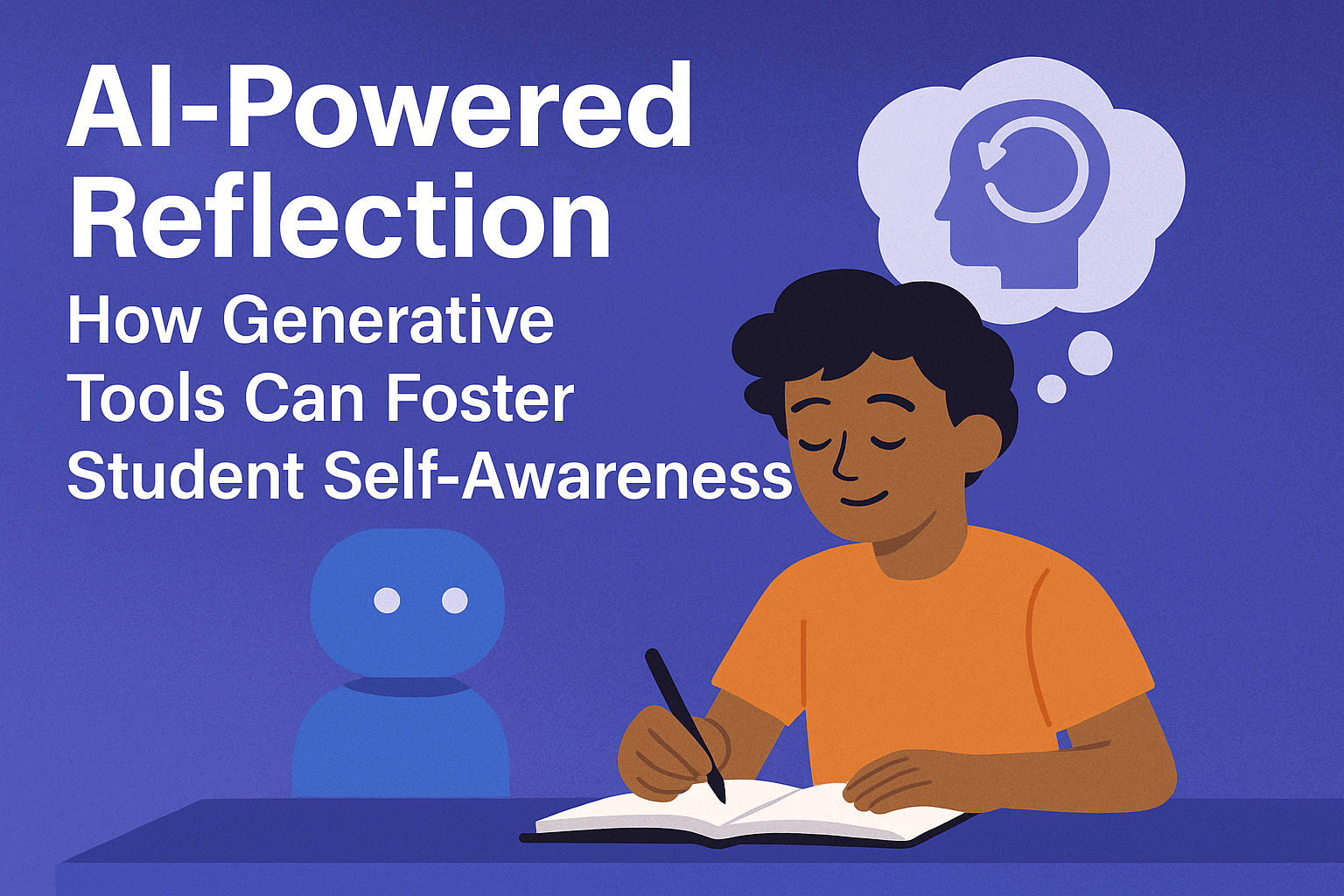
The transformation was particularly striking among students who had initially been too nervous to engage with AI tools. Through our collaborative discussions, they began to see AI as a thinking partner rather than a threat to academic integrity.
This growing confidence caught the attention of district leadership. When senior district officials visited my classroom to observe AI integration in action, our AI Coaches stepped into explanatory roles, demonstrating the ethical frameworks they'd developed. A few of them explained how they created study guides in user-friendly formats from their own notes. Others mentioned how they conversed with AI in another language and printed transcripts of the conversions to prepare for oral examinations in World Language classes. The officials listened and genuinely engaged with student insights.
We also invited Elizabeth Hadley from Khan Academy to join one of our meetings via video conference. Rather than presenting to the students, she asked them specific questions about their experience with Khanmigo. Their feedback was honest and authentic: they appreciated that the tool didn't simply provide answers, helping them feel they were "still thinking for themselves." However, they offered nuanced critiques about tone and sophistication levels, explaining that while younger students might appreciate highly encouraging responses, more advanced students found excessive enthusiasm "disingenuous and babyish."
The combination of these district visits, genuine conversation with industry representatives, and the invitation to address the entire leadership team at the district summit, made my students feel genuinely heard. Their voices mattered in spaces where educational decisions are made.
The Meta-Learning Challenge
As our exploration deepened, students became interested in sharing their discoveries more broadly. They began developing professional development materials for their peers and even teachers. This is where the real learning accelerated and where they encountered the same implementation challenges that ed-tech companies and districts face daily.

Fig. 2. Gemini. "Abstract Figures Shaping Knowledge with AI."
How do you scale effectively? Moving from small group discussions to school-wide presentations required completely different organizational approaches.
How do you maintain message consistency? Ensuring that peer presentations accurately reflected their ethical frameworks meant developing quality control systems.
How do you manage digital platforms? Creating and maintaining a website for their resources introduced them to content management and user experience design.
How do you define competencies? Determining what students should actually know and be able to do with AI required them to think systematically about learning outcomes.
These challenges weren't obstacles, they were authentic learning opportunities that developed genuine expertise. Students weren't just learning about AI; they were learning about learning itself, discovering the complexities of effective educational implementation.
From Students to Advisors
Preparing for the Leadership Summit presentation became another learning opportunity. Working in collaboration with the district's Educational Technology department, we met several times to discuss the presentation structure and ensure alignment with district goals. The students' months of collaborative exploration, including their experience developing professional development materials, had prepared them well for this moment.
Victoria explained the club's vision and offered implementation strategies for district-wide adoption. Anne described her journey from AI anxiety to ethical confidence. Charlie outlined what teachers need to understand for effective AI integration. Yusef shared how crafting AI prompts that allowed him to practice interview questions helped him secure an IT internship with the district itself. This accomplishment elicited cheers and smiles from district leaders.
These students had moved from tools to competencies as they shared frameworks for thoughtful integration, but this success story doesn't mean the challenges of AI in education are solved.
The Reality of Ethical Responsibility
I want to be clear: cognitive offloading is real, and shortcuts will happen. Students will sometimes use AI inappropriately, just as they've always found ways to avoid authentic learning when possible. We will never be able to eliminate all misuse of AI. Rather, the goal is to cultivate ethical frameworks that help students make better choices more often.
Now that AI is present and rapidly changing every field, we have an ethical responsibility to guide its integration rather than ignore or ban it. When we create spaces for students to model responsible use and develop their own understanding of appropriate applications, we're preparing them for a world where these decisions will be theirs to make independently.
The students in our AI Coaches Club won't become perfect AI users. No one will. But they've developed the critical thinking skills and ethical frameworks that will serve them as these technologies continue to evolve. More importantly, they've experienced what it feels like to have their voices heard in significant educational conversations.
Implications for IB Education
This discovery aligns perfectly with IB's inquiry-based philosophy. When students drive their own learning about emerging technologies, they develop both technical skills and the meta-cognitive abilities that will serve them regardless of how these tools evolve.
Perhaps most importantly, they demonstrate that students can be partners in educational policy development when we create authentic spaces for their voices and ideas.
Moving Forward
When I addressed these students at the summit, I called them pioneers because that's exactly what they are. They've charted a path through uncharted territory, developing frameworks where none existed. I told them how proud I was, and I meant it. But mostly, I can't wait to see what they do next. For more articles related to this theme, visit www.myibsource.com
Michele Lackovic is an International Baccalaureate Workshop Leader, Senior Examiner, and author who works as a teacher and coordinator in Palm Beach County, Florida. She co-authored English A Literature for the IB Diploma (Pearson) and the upcoming IB Extended Essay Guide (HarperCollins, 2025) which includes AI guidance for research and citation. She has trained educators globally on AI integration in education. The Suncoast AI Coaches Club represents one model for collaborative AI exploration in secondary education settings.
Works Cited
Gemini. "Abstract, Collaborative Learning with AI." Gemini, 1 July 2025. Generated in conversation with the author.
Gemini. "Abstract Figures Shaping Knowledge with AI." Gemini, 1 July 2025. Generated in conversation with the author.