Table of Contents
Introduction
SEL Implementation Guide" is crucial for your parents and educators. Social-emotional learning (SEL) is a transformative approach that enhances emotional intelligence, resilience, and interpersonal skills across all ages. Whether in education, workplaces, or communities, implementing SEL fosters a positive environment and prepares individuals to navigate life’s challenges effectively.
This SEL Implementation guide provides practical strategies, lesson plans, and actionable steps for successfully integrating SEL into daily life.
Section 1: Expert Strategies for Implementing SEL
1.1 Building an SEL Framework
To implement SEL effectively, establish a structured framework tailored to your setting:
Define Clear Goals: Identify key SEL skills to develop (e.g., self-awareness, empathy, responsible decision-making).
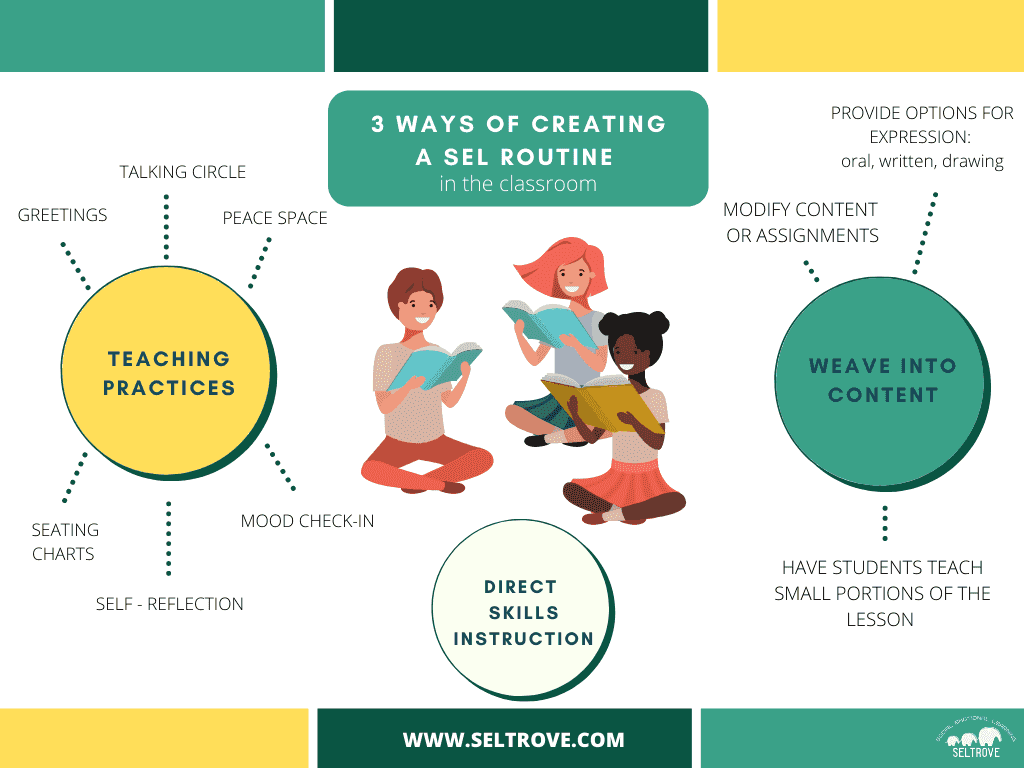
Integrate SEL into Daily Routines: Embed SEL discussions and practices into everyday interactions.
Train Educators & Leaders: Provide SEL-focused professional development for teachers, managers, and community leaders.
Measure Progress: Use surveys, reflections, and feedback to assess SEL growth over time.
1.2 Best Practices for SEL Integration
Start with Self-Reflection: Encourage individuals to assess their emotional strengths and areas for improvement.
Encourage Open Dialogue: Foster a culture where emotions and challenges can be discussed without judgment.
Promote Mindfulness & Emotional Regulation: Introduce simple breathing exercises, meditation, and journaling.
Use Real-Life Scenarios: Engage learners with role-playing and case studies to practice SEL skills in real situations.
Foster Relationship Building: Implement team-building activities and peer mentorship programs.
Section 2: SEL Lesson Plans for Different Settings
2.1 SEL in Schools
Lesson Plan: Emotional Awareness & Regulation
Objective: Help students identify and regulate their emotions.
Activities:
"Emotion Chart": Students match emotions with scenarios.
"Breathing Breaks": Teach deep-breathing techniques.
"Daily Reflections": Have students write or discuss their feelings daily.
Assessment: Self-reflection journal and peer discussions.
Lesson Plan: Empathy & Social Awareness
Objective: Develop empathy through perspective-taking.
Activities:
"Story Sharing": Students share personal experiences of kindness and understanding.
"Empathy Walk": Partner with students to discuss challenges and solutions.
Assessment: Group discussion and peer evaluation.
2.2 SEL in the Workplace
Workshop: Emotional Intelligence for Teams
Objective: Improve team collaboration and emotional awareness.
Activities:
"Active Listening Exercise": Practice paraphrasing and empathetic listening.
"Stress Management Tips": Teach stress-reducing strategies.
Assessment: Team feedback and individual self-assessments.
Workshop: Conflict Resolution & Communication
Objective: Equip employees with conflict-resolution techniques.
Activities:
"Role-Playing Conflicts": Employees practice resolving workplace disagreements.
"I-Message Training": Teach non-confrontational communication techniques.
Assessment: Observation and supervisor feedback.
2.3 SEL in Communities
Community Program: Building Stronger Relationships
Objective: Strengthen interpersonal skills among community members.
Activities:
"Group Sharing Circles": Encourage community dialogue and support.
"Volunteer SEL Training": Teach emotional intelligence through community service.
Assessment: Participant surveys and community impact reports.
Section 3: Actionable Steps to Implement SEL
Start Small: Integrate SEL into existing routines instead of overhauling current practices.
Lead by Example: Demonstrate SEL skills in interactions with others.
Provide SEL Training: Host regular training sessions for educators, employees, and community leaders.
Encourage Reflection & Feedback: Create opportunities for individuals to assess their growth.
Celebrate Progress: Recognize SEL achievements through awards, storytelling, and group discussions.
Conclusion & Next Steps
SEL is a lifelong journey that benefits individuals, schools, workplaces, and communities. By consistently applying SEL strategies, lesson plans, and activities, you create a more emotionally intelligent and supportive environment.
📥 Download Our Free SEL Implementation Guide – A comprehensive resource with expert strategies and lesson plans.
🔗 Join Our SEL Community – Connect with educators, leaders, and professionals dedicated to SEL implementation.
Would you like personalized SEL resources or training sessions? Let us know how we can support your SEL journey!